Aligning Teams Through Design Thinking
Helping teams move from ideas to aligned, actionable decisions
I led the development of a regional Design Thinking program aimed at aligning business and IT teams across LATAM, transforming how cross-functional initiatives were framed, discussed, and executed.
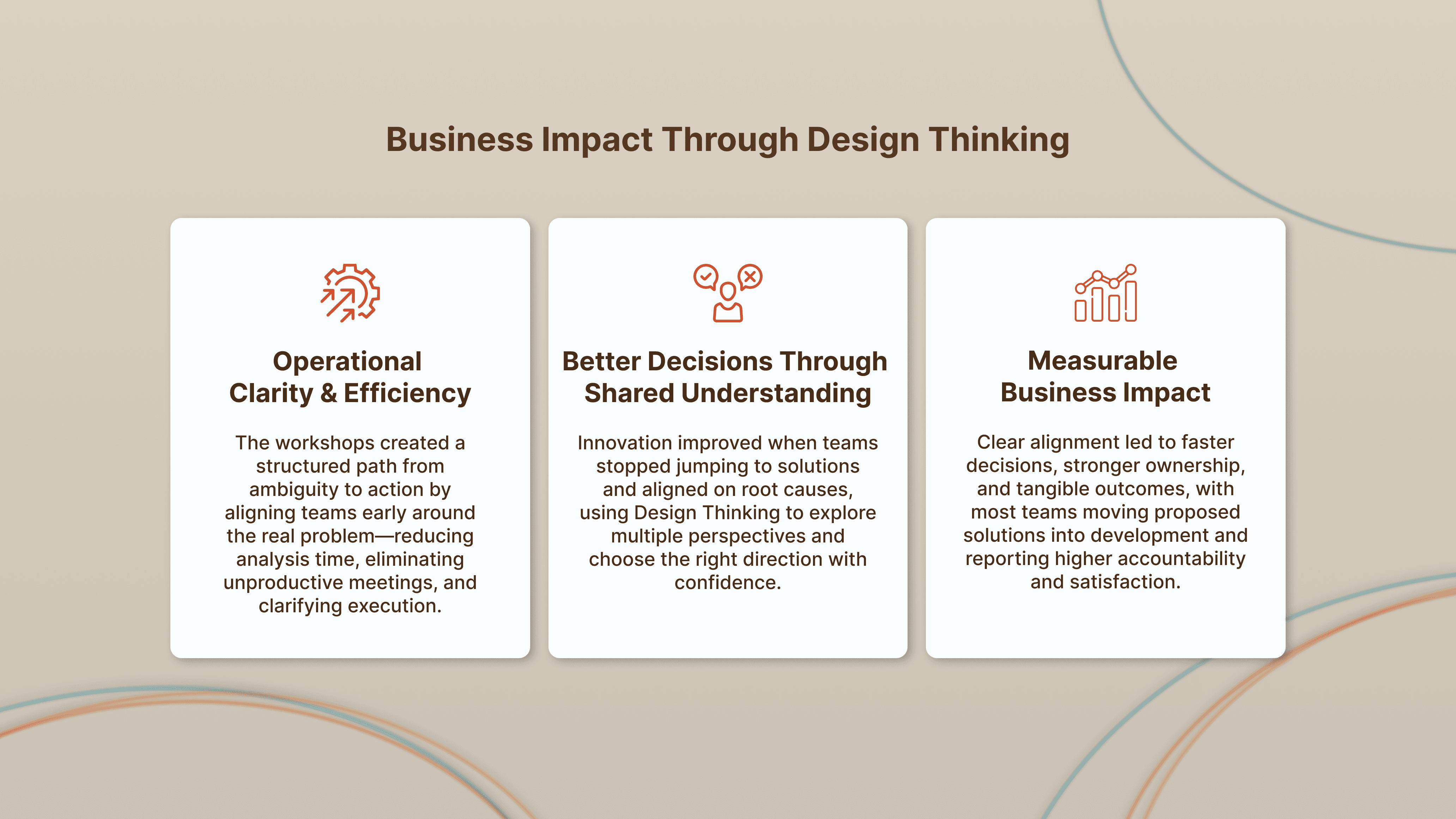
The program established a repeatable framework that moved teams from fragmented conversations to structured, outcome-driven decision-making, reducing decision time by up to 50%.
Client
PepsiCo LATAM — Strategy & Transformation
Responsibility
Workshop Facilitation · UX Strategy · Stakeholder Alignment · Problem Framing · Journey Mapping · Cross-functional Collaboration
Project Category
Design Strategy
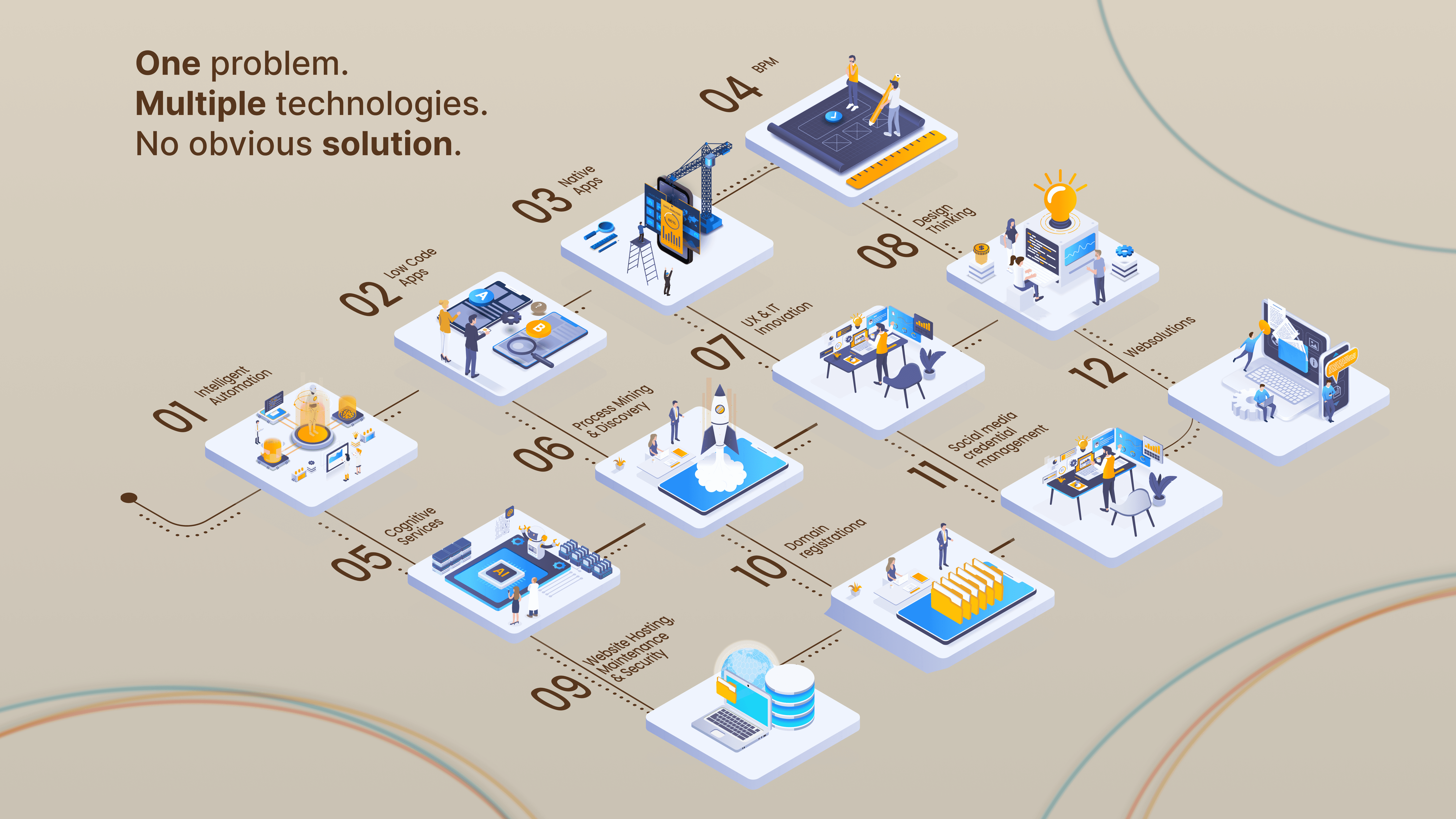

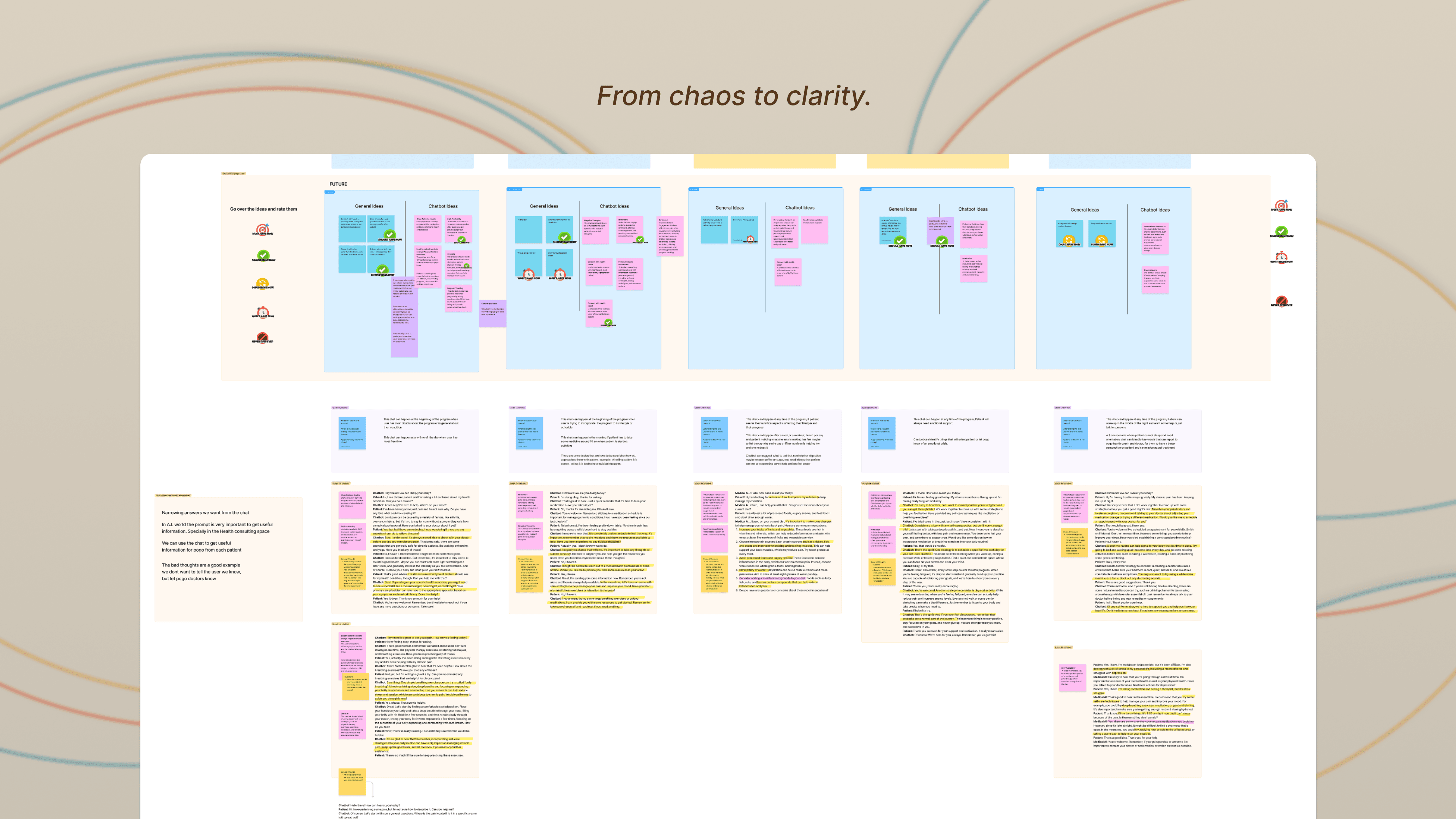
PepsiCo’s Strategy & Transformation division needed a better way to align business and IT teams around real problems. I led the creation of a Design Thinking service that unified communication, clarified needs, and accelerated decision-making across LATAM.
The division was facing fragmented collaboration that often resulted in unclear conversations, stalled initiatives, and delayed decisions. My role was to design and lead a framework that helped teams move from ambiguity to clarity by aligning people, problems, and solutions. This initiative became a foundational shift in how teams collaborated internally, creating a more structured, human-centered, and efficient way of working across regions.
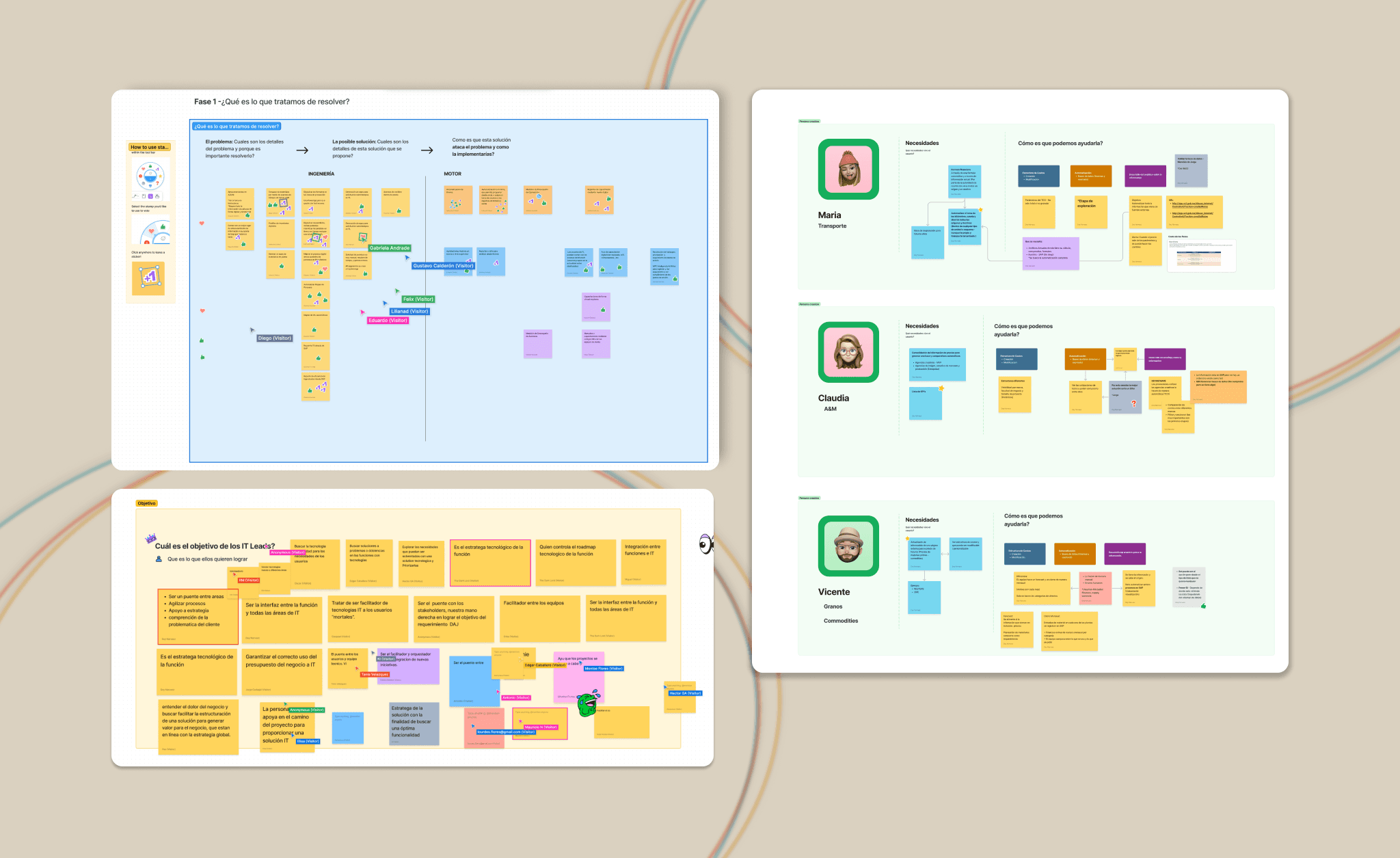
The core challenge was bridging two fundamentally different ways of thinking and communicating.
Business teams often described symptoms rather than root problems, while IT teams communicated through highly technical and siloed perspectives tied to specific technologies. This disconnect generated confusion, misalignment, and unproductive meetings. Through interviews, journey mapping, and cross-team research, I identified where understanding broke down and where teams needed guidance to align on the same problem space before discussing solutions.
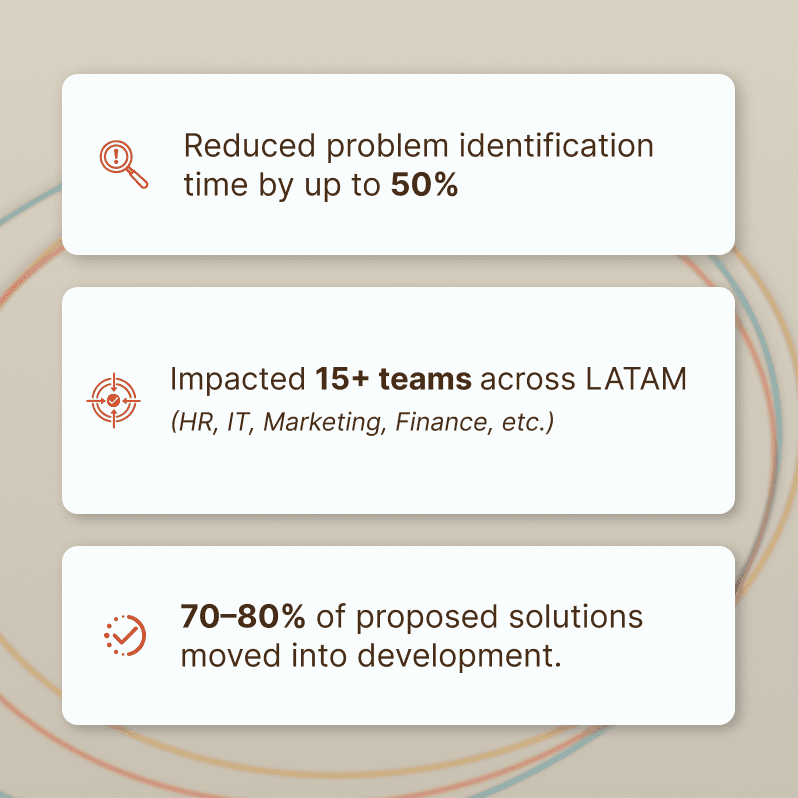
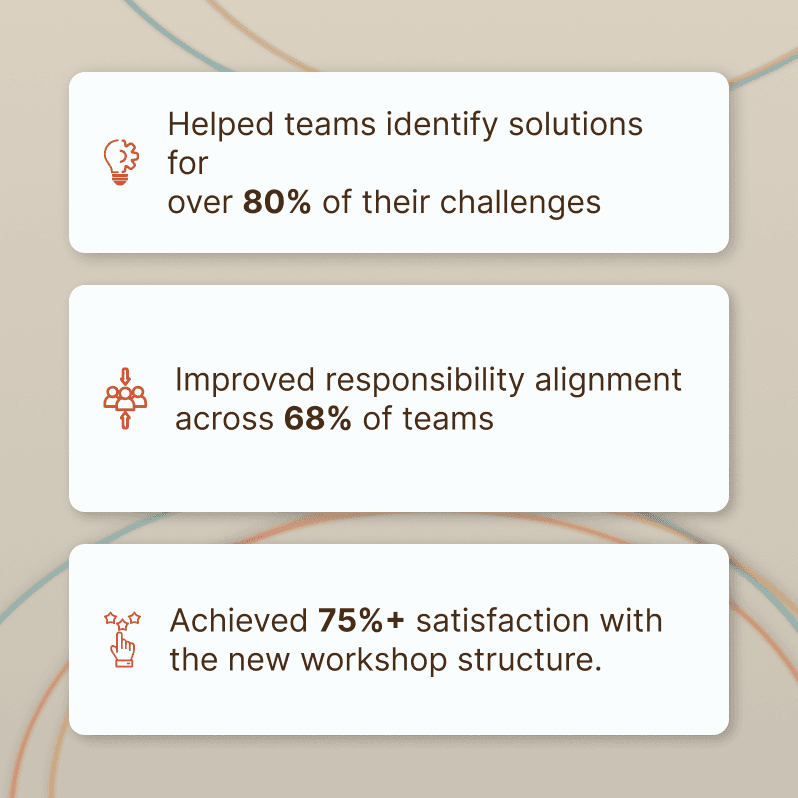
The result was an end-to-end Design Thinking workshop framework embedded into the organization.
I defined the methodology, facilitated sessions, and created the tools that turned insights into actionable decisions.
The service included structured workshops, facilitation dynamics, responsibility matrices, prioritization frameworks, and clear deliverables that ensured continuity beyond each session. Teams were able to visualize their challenges, uncover root causes, align stakeholders, and define realistic solutions collaboratively. This repeatable framework significantly improved clarity, reduced analysis time, and strengthened collaboration between business and IT teams across LATAM.